

How to Spot and Avoid a Romance Scam
When Romance Turns Into a Scam: What to Watch For
When your schedule runs on 12-hour shifts and rotating weekends, meeting someone the traditional way isn’t always realistic. Dating apps and social media can feel like the only options that fit your life. Romance scammers know this, and they ruthlessly exploit it by targeting busy healthcare workers just like you who deserve real connection, not heartbreak.
When your schedule runs on 12-hour shifts and rotating weekends, meeting someone the traditional way isn’t always realistic. Dating apps and social media can feel like the only options that fit your life. Romance scammers know this, and they ruthlessly exploit it by targeting busy healthcare workers just like you who deserve real connection, not heartbreak.
Romance Scam Warning Signs
Fraudsters stick to a proven script. Someone you’ve never met in person reaches out online, builds what feels like a real relationship, and then asks for money. The details of a romance scam may change, but the structure stays the same.
- They typically find you on social media. Romance scams thrive on platforms like Facebook, Instagram, dating apps, and even LinkedIn. Wherever people connect, scammers are looking for their next target.
- They move fast. Within days or weeks, the relationship feels intense. They say how they could see building a life with you. They make you feel special.
- They may claim to be a well-known public figure or celebrity. Scammers steal identities, including celebrities like Barry Gibb and Paul McCartney. Some use AI-generated images or deepfake technology to create look-alike profiles. If someone famous is messaging you privately, it’s not real.
- They can’t meet in person. While claiming they desperately want to meet face-to-face, something always gets in the way. Common reasons include:
- Working overseas
- Military deployment
- Caring for a sick family member
The excuses sound believable, but they’re designed to keep you from ever meeting face-to-face.
- They ask for money. Eventually, they need help. It might be for a medical emergency or a once-in-a-lifetime business opportunity. Whatever the phony reason, each request starts small, but they escalate. If you say no, the tone shifts. They get desperate, often verbally aggressive or threatening.
- They may pressure you for explicit photos, then weaponize them. Some scammers build just enough trust to convince you to share intimate images. The moment they have them, the scam flips. They threaten to send the photos to your family, your employer, and your contacts unless you pay. This is called sextortion, and it’s a crime. But it’s devastatingly effective because victims feel trapped by shame.
These red flags can be easy to ignore, especially when you’re just getting to know someone. But doing so can be costly. In 2023, over 64,000 people reported being victimized by a romance scam. According to the Federal Trade Commission, financial losses totaled $1.14 billion. This is the highest reported loss of any imposter scam.
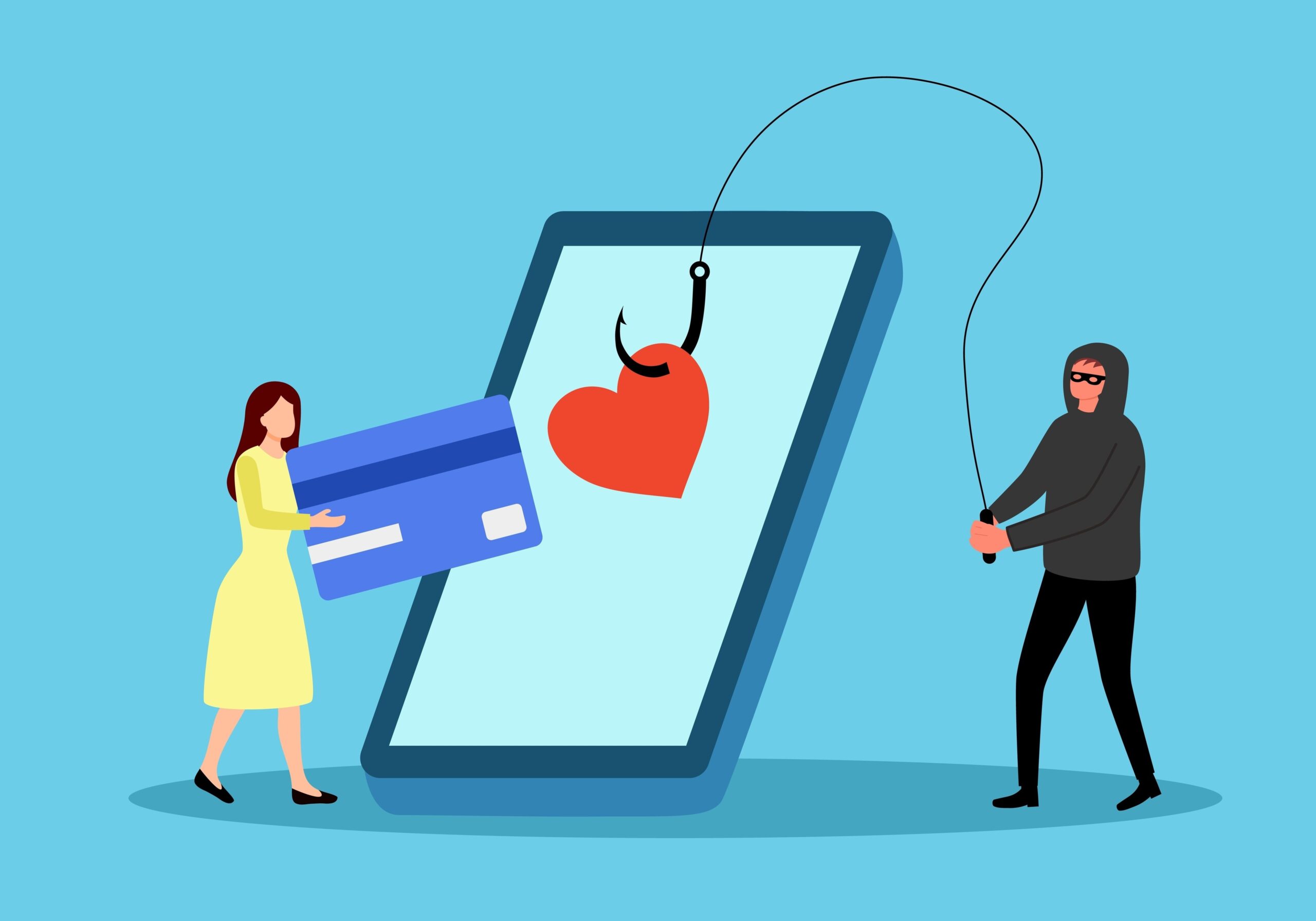
Best Practices to Avoid A Romance Scam
Connection matters, and there’s nothing wrong with looking for it online. A few habits can help you stay safe while you’re at it.
- Reverse image search their profile photo. Use a tool like Google Images or TinEye to see if it appears elsewhere online. If the same photo appears with multiple names or profiles, you’re talking to a scammer.
- Don’t rely on poor grammar to spot a scam. AI tools have changed the game. Scammers now send polished, convincing messages that sound completely natural. Some even use deepfake videos that look and sound like real people. That’s why the other warning signs matter more than ever: the refusal to video chat live, expressing deep feelings quickly, the eventual ask for money. Trust the pattern, not the polish.
- Take online relationships slow. A real relationship can handle skepticism. A scam cannot. Request a video call early on. Real people will say yes. Scammers will make excuses. Ask direct questions. If they refuse or dodge, that’s your answer.
- Never send money or give personal details to someone you’ve only known online. No matter how convincing the story or urgent the need. Wire transfers and gift cards are nearly impossible to recover.
- If they ask for explicit photos, stop. Even if the relationship feels real. Once those images are out of your control, they can be used against you.
- Talk to someone you trust. Scammers isolate their victims. They want you to keep the relationship private. If you’re feeling uncertain, talk to a friend, family member, or colleague. An outside perspective can help you see what you might be missing.
What to Do if You Suspect a Romance Scam
If you believe you’ve been targeted by a romance scam and have concerns about your accounts, contact us immediately. We’re here to help you freeze accounts, dispute charges, and take the next steps to protect yourself.
You can also report the incident to the Federal Trade Commission, the FBI’s Internet Crime Complaint Center, and the platform where the scam occurred. Reporting helps protect others, even if your money can’t be recovered.
We understand that many people are victimized by this scam. If you have questions for our caring team, please contact us at 1-877-241-8233.